TIME WARP 2016: 10 years after a completely preventable tragedy.
10 years after the Time Warp tragedy in Argentina, a personal look at what happened that night and what changed forever in festival culture.
TIME WARP 2016: 10 years after a totally avoidable tragedy. by Candela Lacourlig
10 years ago I attended the Time Warp festival for the second time. The previous year had been crazy, with Dubfire's hybrid set on the first day and stage 1 on the second day (Julian Jeweil, Recondite, Chris Liebing, and Sven Väth).
For 2016, the line-up included Rødhåd, Chris Liebing, Tale of Us (the 2016 one), Dixon, among others. Not only that, that year the festival was held in only 2 countries: Germany and Argentina. I had started going out less than 2 years prior and this type of festival made me feel very grateful to live in Buenos Aires and have access to artists of that caliber.
However, this edition was not as comfortable as the previous one.
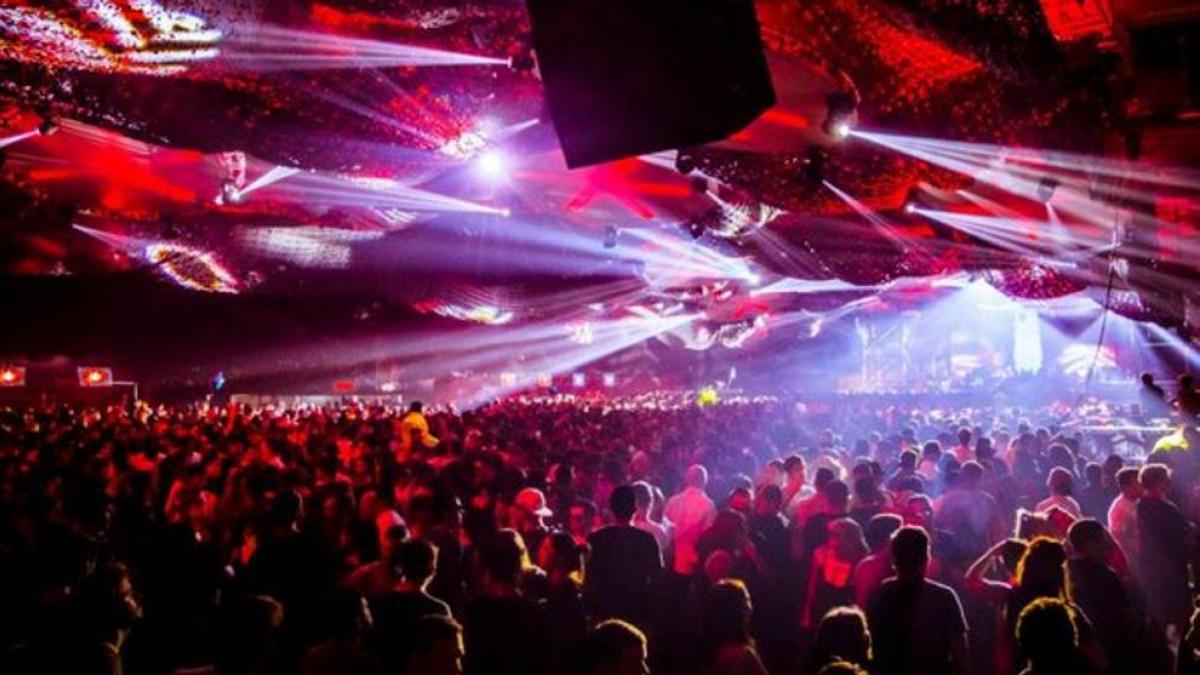
It felt like it wasn't measuring up to what was happening in real time. I remember that the security check at the entrance was minimal and there were too many people trying to get in. You couldn't walk at the party. It was very hot and at times I was short of breath; at a certain point of the night, the bathrooms had run out of water. I remember going to the bathroom and not being able to get back to where my friends were because—literally—I couldn't pass through the crowd. You couldn't enjoy it like that.
The next day, my dad woke me up and told me to ask my friends if everyone made it back okay because people had died at the party we had gone to.
From that moment on, I don't remember anything else being talked about in the media; suddenly the news showed blue ecstasy pills saying "this is the pill that kills." The famous Superman. They invited supposed specialists to talk about the drugs consumed at events. On social media, everyone knew about the electronic scene and substances, and no one had ever consumed anything because "they weren't stupid enough to do those things."
For us, parties like that were like rituals:
If there were many of us, someone would buy a helium balloon and tie it to their backpack, we would find a place near the DJ booth and plant our flag there; we did it to have a reference point because without signal and with so many people, you get lost. In addition, we would put everyone's backpacks in the middle and stand around them; everyone did this, and walking through the crowd meant passing between groups of people with backpacks and packs of water in the center.
The atmosphere at the massive events was one of community, we took care of each other. So this attack on the scene felt personal.
As the days went by, things started to come to light:
They oversold more than 7,000 tickets above the venue's capacity, the festival producer was the owner of the water brand being sold, and the organization was terrible (there were 5 doctors, 10 first responders, and 2 ambulances for more than 20,000 people). Everything pointed to it being a matter of luck that more people didn't die because we were packed like sardines in there.
The double standard was absolute, and the news outlets had the nerve to talk about the dead kids and re-victimize them, talking about poly-drug use and shifting the blame to them.
The measures taken in the following days
They began to stigmatize electronic music parties: for several months, these kinds of festivals were canceled. Consequently, the legality of clubs was also called into question.
Although in the long run other measures were implemented (such as free water at events and the requirement for them to be outdoors), we must also keep in mind that after having endured media criticism of their children, 10 years after the event, the victims' families are still waiting for an oral trial.
If at a legal level there is no one held responsible for this tragedy that took the lives of 5 young guys... I think what remains is to ask ourselves:
Who are the ones organizing the festivals and how much do they care about people being well, or do they just want them to buy water at double or triple the price of other places?
How much of the responsibility for public safety falls on the venue owners?
How hard is it to raise awareness among ourselves about consumption, care, and the different substances that exist? Do we talk enough about harm reduction in the places we frequent?
What is the debt we owe collectively as an electronic music scene?
-
Recommended links:
About

091 Records is an underground techno label and magazine based in Buenos Aires, Argentina, focused on exploring the deeper side of contemporary electronic club music. Specializing in raw, deep, hypnotic techno and intense grooves, the project functions as a platform dedicated to promoting and giving visibility to emerging and established artists from the global scene.
With an identity defined by the hypnotic, the raw, and the immersive, 091 Records connects the local scene with the international circuit, spreading music, editorial content, and culture linked to the underground techno scene.





Featured



Premiere channel
Discover our Premieres channel
Exclusive underground techno releases.